This site has limited support for your browser. We recommend switching to Edge, Chrome, Safari, or Firefox.

Confidence Starts at the Root — SHOP SCALP SERUM

Enjoy free shipping over $99

Is Sunscreen the Real Reason You Keep Breaking Out?

You finally find a sunscreen you actually like wearing every day — it doesn't leave a white cast, it doesn't feel greasy, and it even sits well under your makeup. Then, a week or two later… boom. Breakouts.

So naturally, you blame the SPF. Which is… understandable. But before you retire your sunscreen to the back of the cabinet, we need to talk.

Why Sunscreen Gets Blamed

The timing makes it an obvious suspect. New product, new breakouts — it feels like pretty straightforward cause and effect.

But sunscreen also tends to be the most noticeable product in your routine. It goes on last, sits on your skin all day, gets layered under makeup, mixes with sweat and oil, and may be reapplied again later. So when your skin starts feeling more congested, sunscreen is naturally the first thing people blame.

But most of the time, sunscreen isn’t creating the problem.

It’s exposing one that was already there.

Section Image

What’s Actually Happening

Breakouts from sunscreen usually come down to one of three things:

1. The Formula Is Too Heavy for Your Skin
Not all sunscreens are created the same. Some are richer, more occlusive, and can trap oil and debris—especially if you’re already prone to congestion.

2. You’re Not Removing It Properly
Sunscreen is designed to stay on your skin. Which means a quick cleanse often isn’t enough to fully remove it.

When it’s not properly washed off, it can mix with oil, sweat, and debris—leading to clogged pores over time.

3. Your Skin Was Already Congested
This is the part people don’t expect.

If your skin already has buildup—dead skin cells, excess oil, early congestion—adding a layer of sunscreen on top can make that congestion more noticeable.

It’s not causing it. It’s highlighting it.

Section Image

Why Skipping Sunscreen Isn’t the Solution

Because the trade-off is genuinely not worth it.

UV exposure is the single biggest driver of collagen breakdown, hyperpigmentation, and accelerated aging. And for acne-prone skin specifically, skipping SPF means every breakout you have is healing slower, scarring darker, and fading longer. Post-inflammatory marks — those stubborn red and brown spots breakouts leave behind — get darker with sun exposure. 

So the very thing you're trying to fix gets worse without protection.

Section Image

What Actually Helps

If you feel like sunscreen is breaking you out, the goal isn’t to eliminate SPF altogether. It’s to find the right one for your skin. 

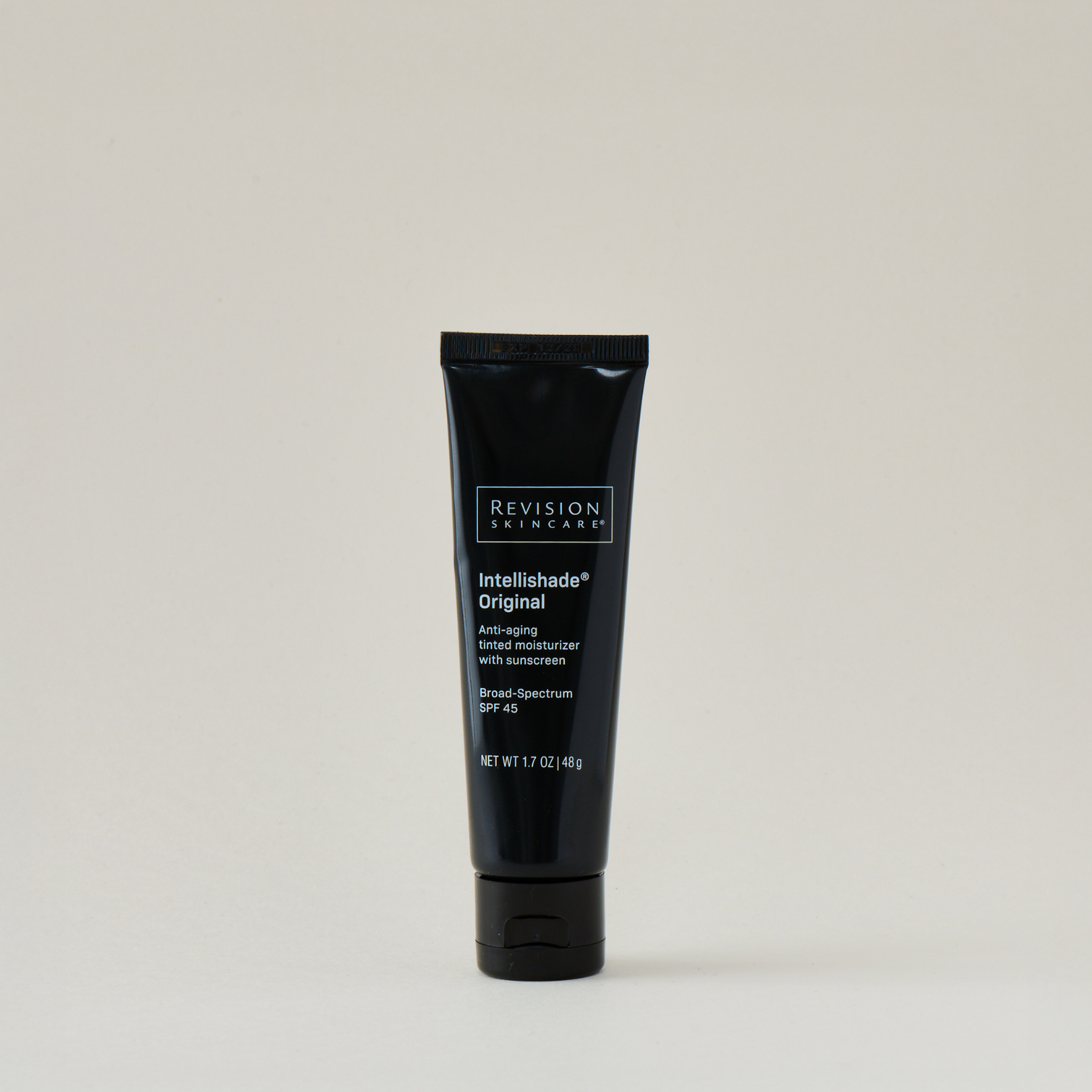
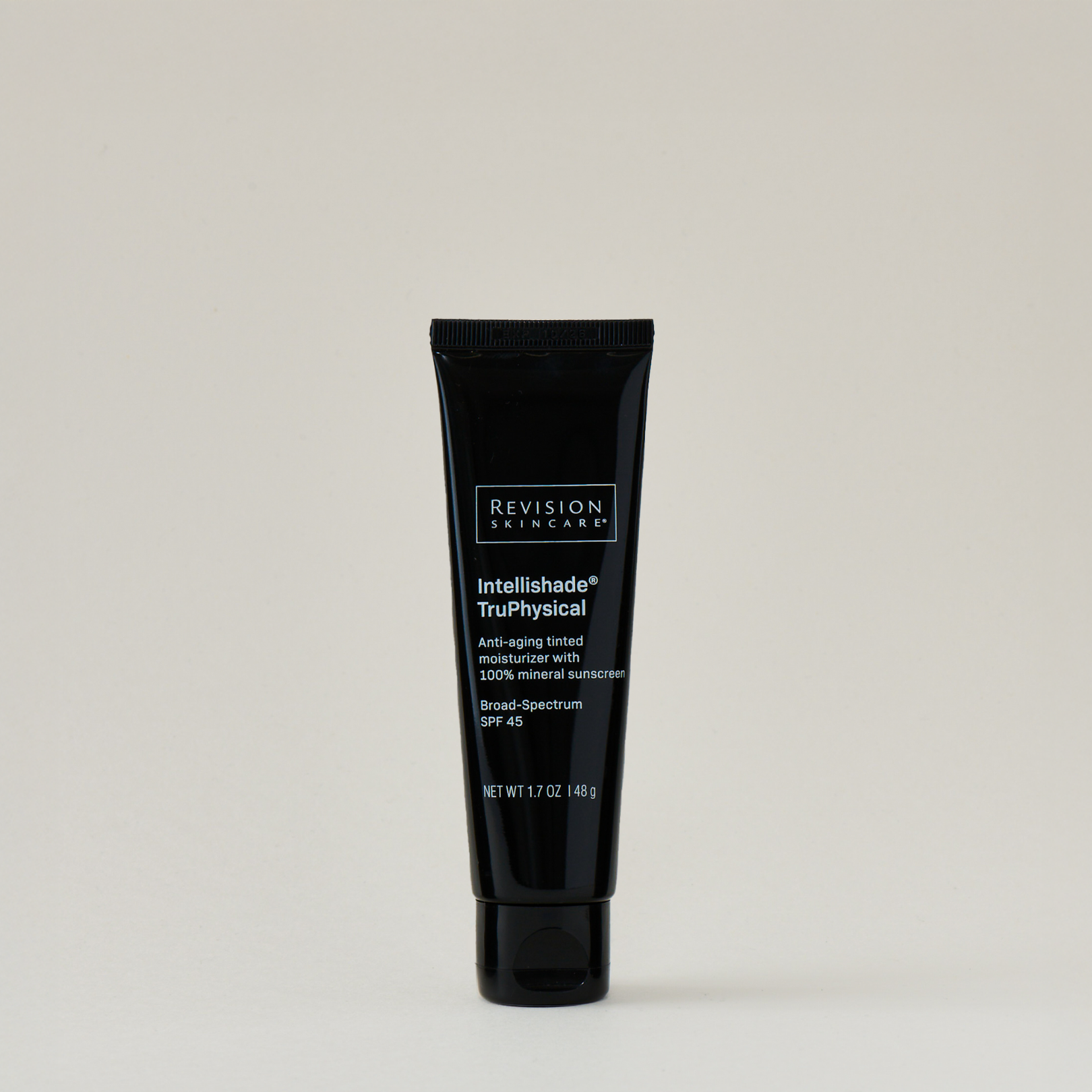
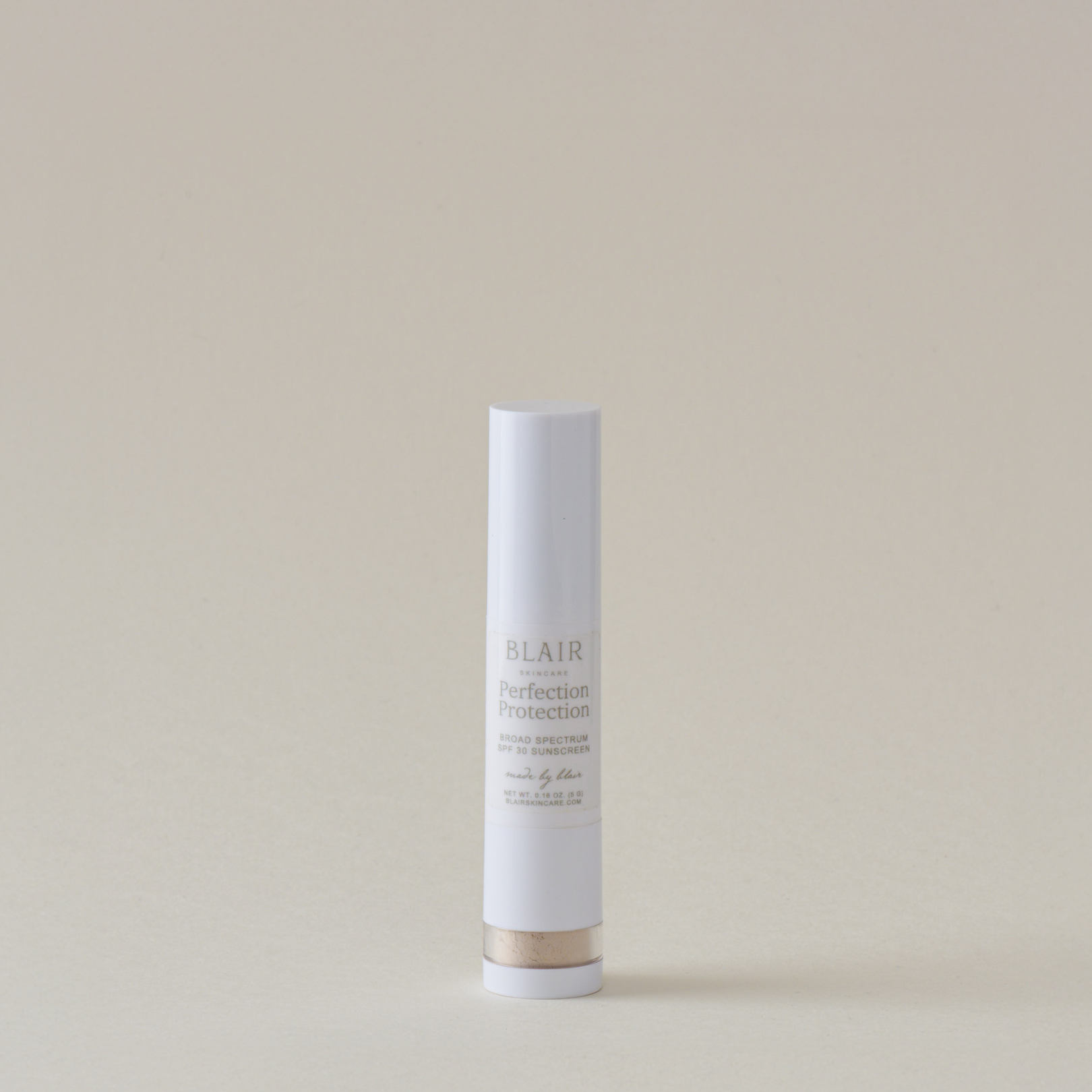
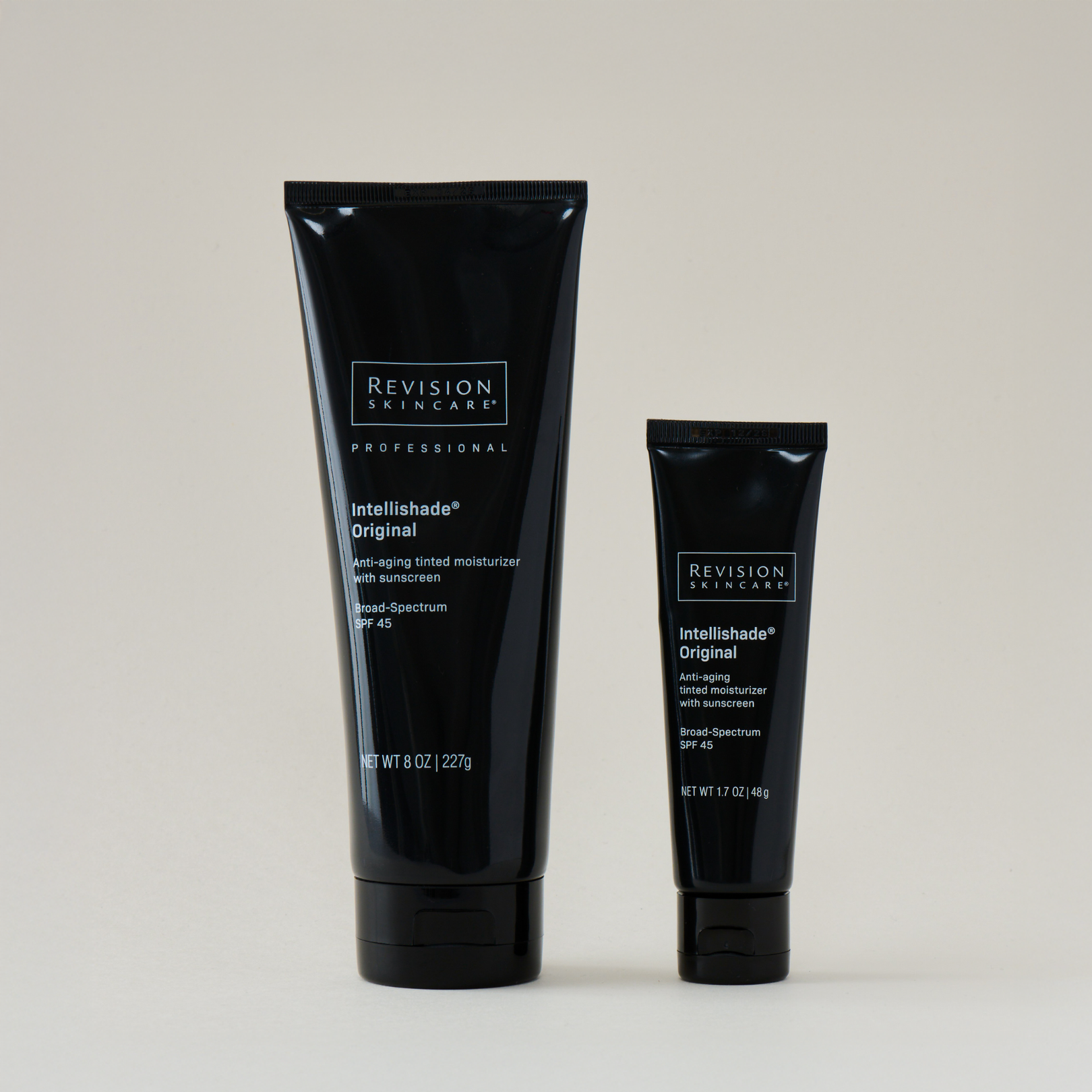
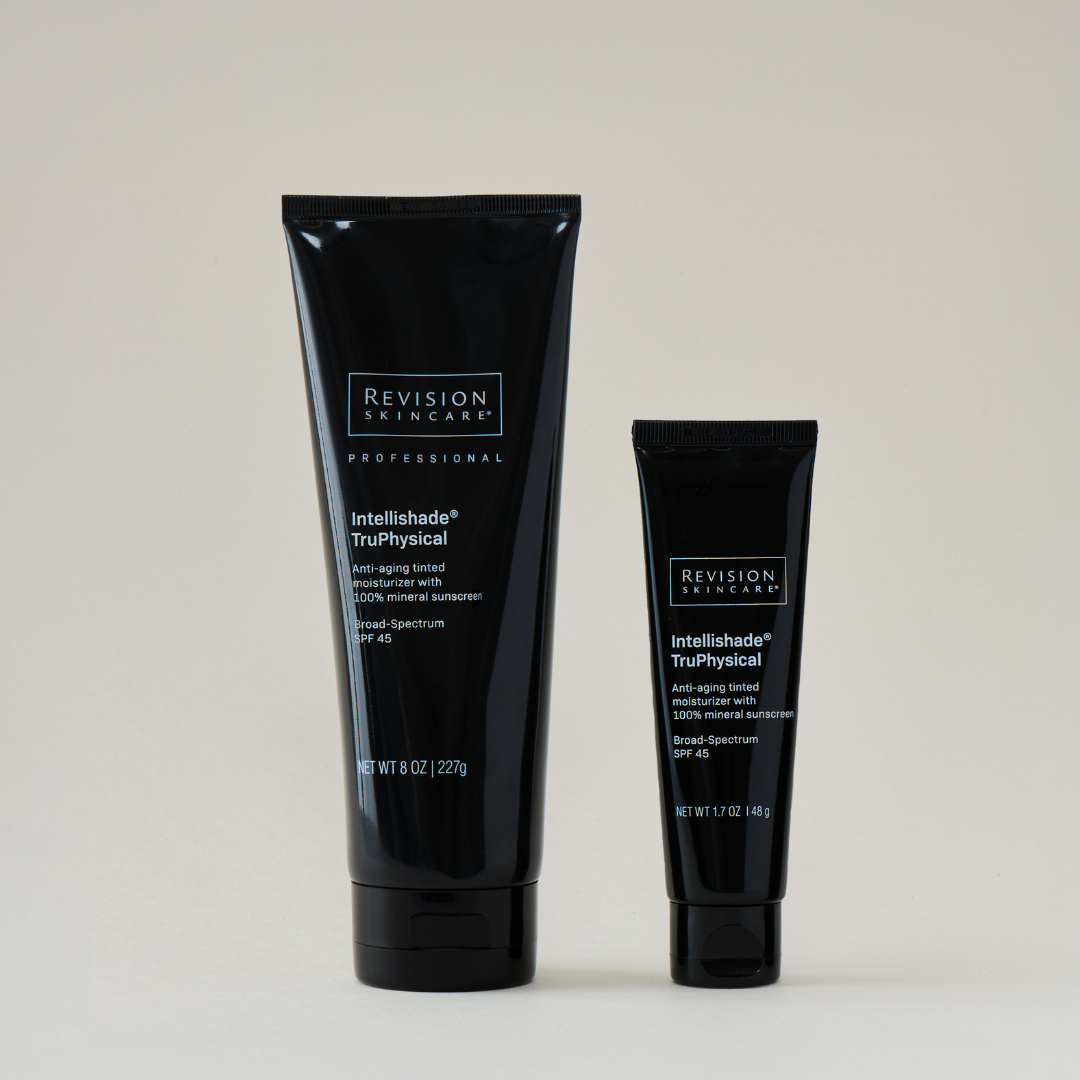
Start with the formula. A lightweight, non-comedogenic SPF makes a huge difference in how your skin tolerates daily wear.

Next, look at your cleansing routine. Sunscreen is designed to be persistent — that's literally the point. But that same staying power means it doesn't always come off with a single cleanse. And if you don't get it all off each day, the result is a slow buildup of sunscreen, oil, and makeup residue sitting in your pores night after night. Double cleansing fixes this. Start with an oil-based cleanser to dissolve sunscreen, makeup, and excess oil, then follow with your regular water-based cleanser to remove any remaining residue and cleanse the skin.

And finally, support your skin underneath it.

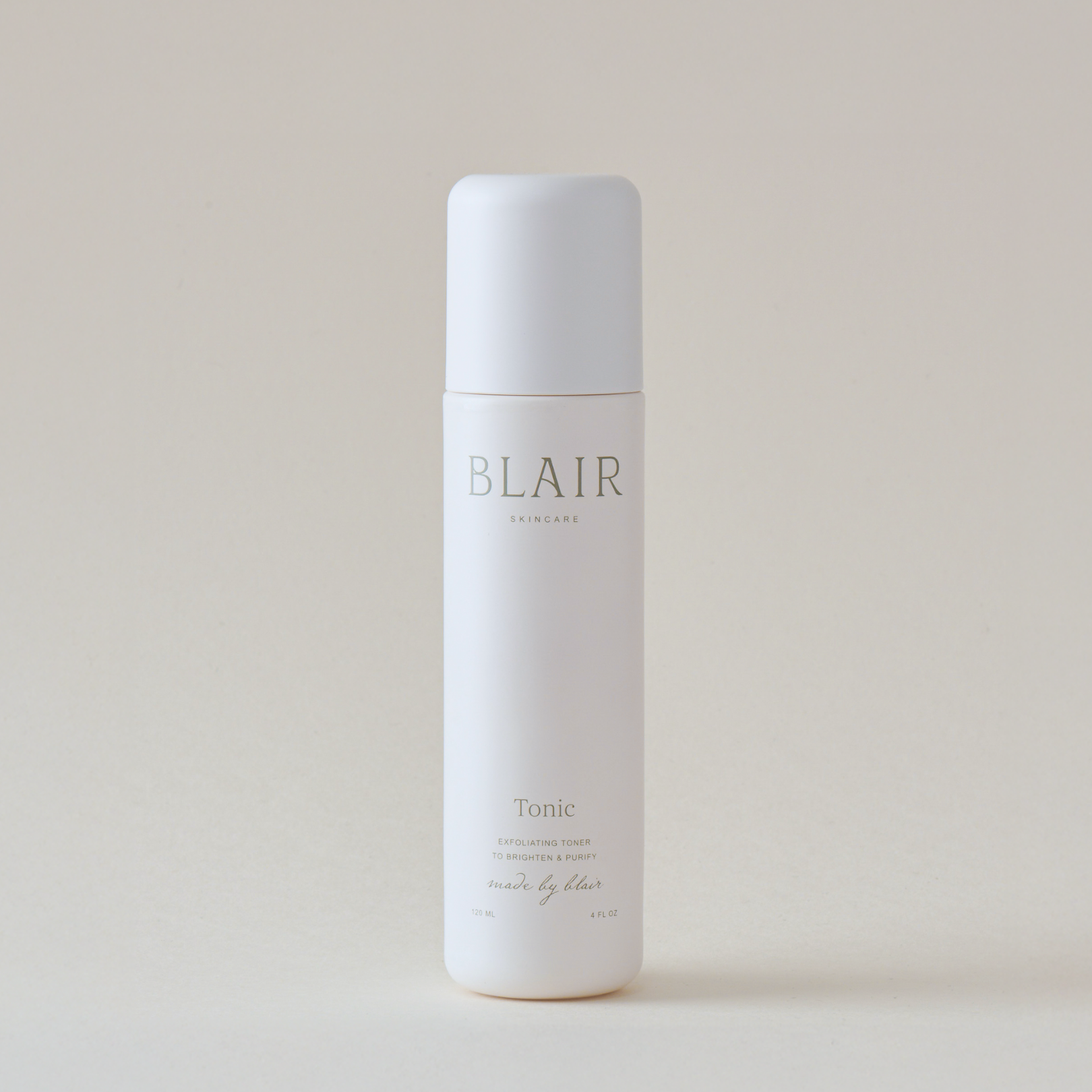
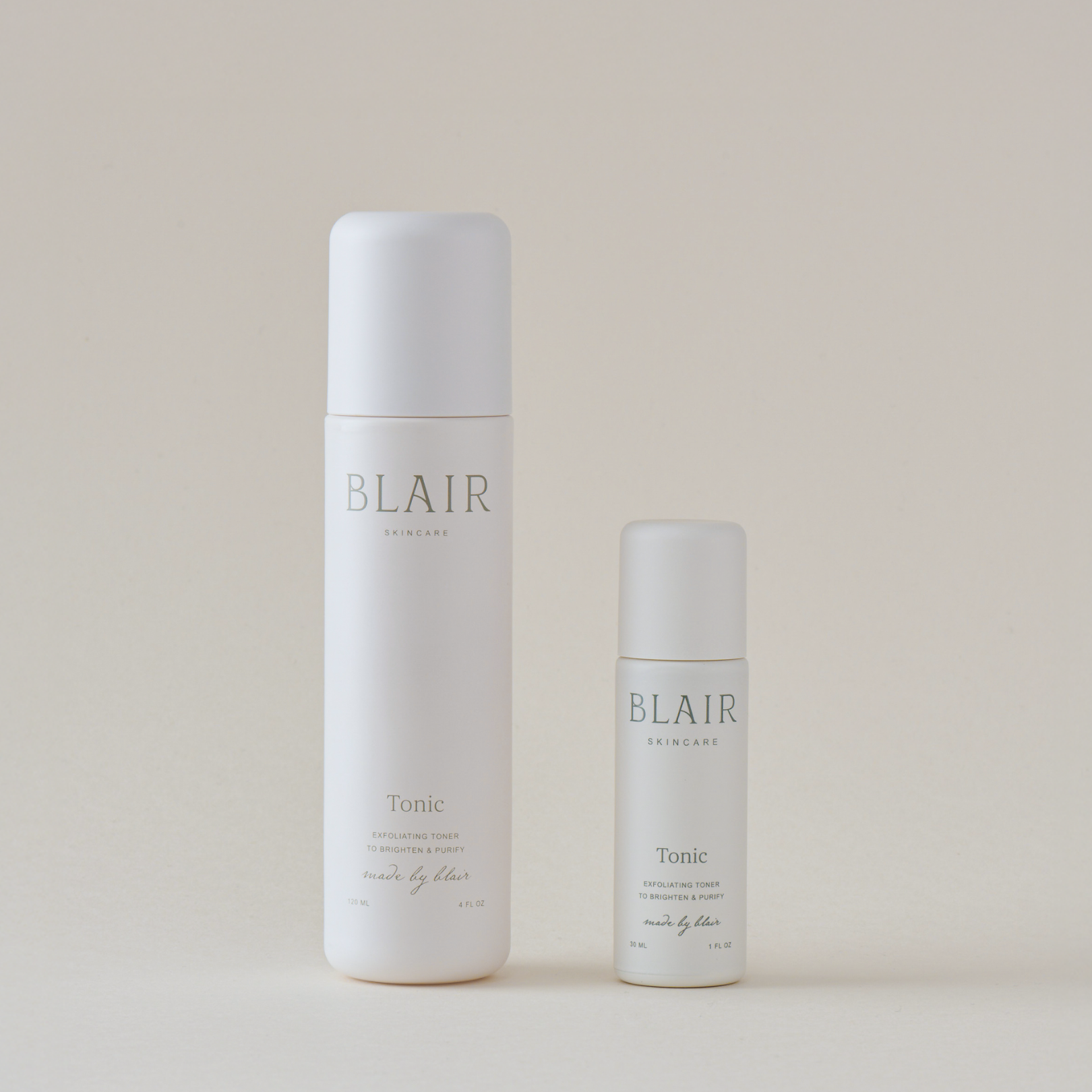
This is where consistent exfoliation matters. If your skin is prone to buildup or congestion, something like Tonic helps keep pores clear so everything sitting on top (including SPF) behaves better.

Because when your skin is functioning well, your products tend to follow.

The Bottom Line

Is sunscreen the reason you’re breaking out?

Usually, no.

It’s more often a mismatch—between your skin, the formula you’re using, and how well your routine is supporting everything underneath it. And once you fix that, sunscreen stops feeling like the problem… and starts doing what it’s actually meant to do.

Cart